
Moroccan Blue Nila Powder: The Ancient Beauty Secret Revived (2025 Guide)

Introduction to Moroccan Blue Nila Powder
Moroccan Blue Nila Powder is one of North Africa’s most treasured beauty ingredients, cherished for its powerful skin-lightening and purifying properties. Derived from natural indigo plants and rich mineral clays, this deep-blue powder has been used by Moroccan women for centuries as a vital part of the traditional Hammam ritual.
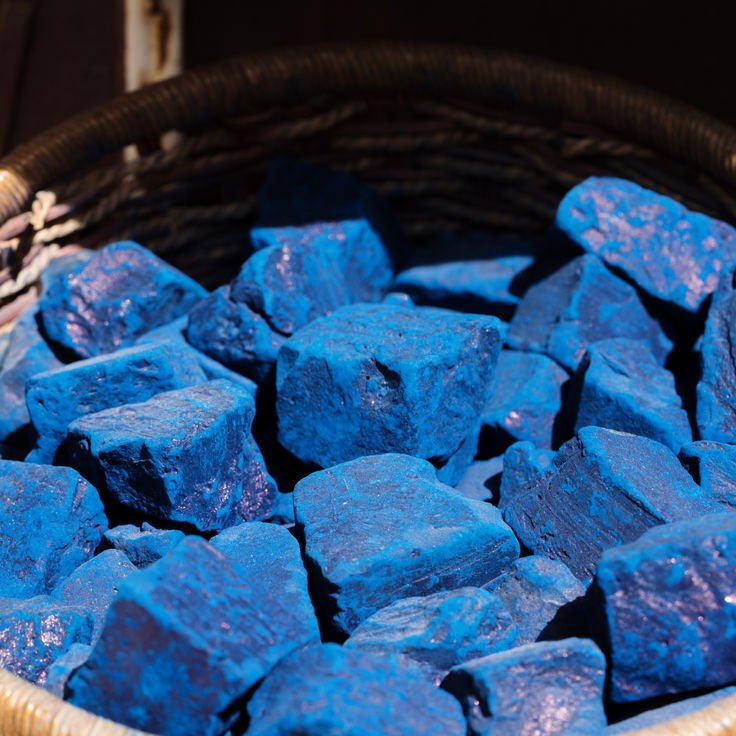
Blue Nila, or “Nila Zarqa” as it’s known locally, originates from the Sahara Desert. It’s often mixed with rose water or natural oils to create rejuvenating masks that cleanse, brighten, and refresh dull skin. Its distinctive blue hue symbolizes serenity and purity, reflecting Morocco’s cultural and aesthetic identity.
The Cultural Heritage of Blue Nila
For generations, Moroccan women have used Blue Nila in their weekly Hammam baths, where the skin is deeply cleansed and nourished. The powder’s cooling sensation and blue tint are believed to ward off negative energy while enhancing the skin’s natural glow.
Blue Nila isn’t just a cosmetic—it’s a symbol of femininity, elegance, and ritual purity. In Saharan traditions, brides often apply Blue Nila before their wedding day to achieve a radiant complexion.
The Composition and Natural Sources of Blue Nila Powder
Authentic Moroccan Blue Nila is made from a blend of mineral clays and natural indigo extracts sourced from desert plants. Its deep-blue color comes from the presence of indigo molecules, while the minerals provide a natural exfoliating and detoxifying effect.
Traditional extraction involves sun-drying and grinding the indigo leaves into a fine powder—completely free from synthetic dyes or chemical additives.
Top Beauty Benefits of Moroccan Blue Nila Powder
The benefits of Moroccan Blue Nila Powder go far beyond its enchanting color. Here’s why it’s a must-have for skincare enthusiasts:
1. Brightens and Evens Skin Tone
Regular use helps fade dark spots, hyperpigmentation, and sun damage, leaving the skin visibly brighter and smoother.
2. Anti-Aging and Detoxifying
Its antioxidant-rich composition helps combat free radicals, reducing fine lines and improving skin elasticity.
3. Fights Acne and Blemishes
Blue Nila’s natural antibacterial properties make it ideal for acne-prone skin, helping clear clogged pores and reduce inflammation.
4. Softens and Refreshes Skin
It provides an instant cooling and tightening sensation that leaves the skin soft, supple, and refreshed after every use.
How to Use Moroccan Blue Nila Powder for Skin Care
Traditional Moroccan Method
- Mix 1 teaspoon of Blue Nila Powder with rose water or orange blossom water.
- Apply evenly to clean, damp skin.
- Leave on for 15–20 minutes.
- Rinse thoroughly with lukewarm water and pat dry.
Use once or twice weekly for radiant, even-toned skin.
Body Whitening Hammam Treatment
Combine Blue Nila with ghassoul clay and argan oil to create a luxurious body paste. Apply post-steam bath for deep exfoliation and whitening.
Blue Nila for Hair Care
While Blue Nila is primarily known for skincare, it’s also beneficial for hair. When mixed with oils or conditioners, it:
- Strengthens hair roots
- Adds natural shine
- Enhances hair softness without staining
For dry or frizzy hair, a Blue Nila mask once every two weeks can restore hydration and vibrancy.
Side Effects and Precautions
Though natural, Blue Nila can stain temporarily if used in excess. Always perform a patch test before applying it to your face or body. Avoid products that claim to be “Blue Nila” but contain synthetic dyes—authentic Nila should be a soft, ultrafine powder with a mild earthy aroma.
How to Identify Genuine Moroccan Blue Nila Powder
| Feature | Genuine Blue Nila | Fake Blue Nila |
|---|---|---|
| Color | Deep matte blue | Bright, shiny blue |
| Texture | Soft and clay-like | Coarse or glittery |
| Scent | Earthy, natural | Chemical or perfumed |
Authentic products are typically sold by Moroccan cooperatives or certified Hammam suppliers.
✅ Learn more about Moroccan Hammam rituals here
https://www.quora.com/What-are-the-benefits-of-Nila-Blue-Sapphire-Stone-benefits
Frequently Asked Questions (FAQs)
1. Is Moroccan Blue Nila Powder safe for sensitive skin?
Yes, when diluted with rose water or yogurt, it’s suitable for sensitive skin.
2. Can I use Blue Nila every day?
No. Use 1–2 times weekly to avoid over-drying.
3. Does Blue Nila really lighten the skin?
It naturally brightens and evens tone by reducing pigmentation—not bleaching.
4. Can I mix Blue Nila with other clays?
Absolutely! It pairs well with ghassoul clay and multani mitti for enhanced detoxification.
5. How long does Blue Nila Powder last?
If stored properly, it can last up to 24 months.
6. Is Blue Nila vegan and cruelty-free?
Yes, it’s entirely plant-based and environmentally friendly.
https://rouhdounia.com/product/organic-facial-spray-with-rose-water-and-nilla-stone/
Conclusion
Moroccan Blue Nila Powder is more than a skincare trend—it’s a timeless treasure rooted in Moroccan heritage. From brightening dull skin to soothing inflammation, its natural power continues to enchant modern beauty enthusiasts worldwide. When sourced authentically and used correctly, it’s a simple yet luxurious way to embrace the art of Moroccan self-care.